
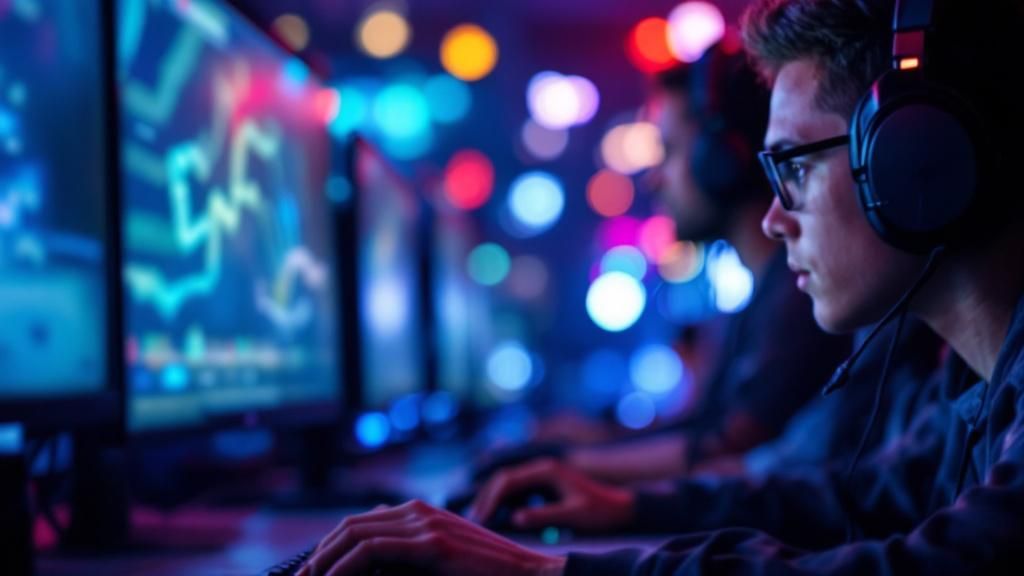
The esports industry has experienced a remarkable transformation, with professional teams finally recognising that competitive gaming demands as much psychological resilience as technical ability. Once regarded as frivolous entertainment, esports organisations are now investing substantial resources into comprehensive mental health support services. Acknowledging that burnout, anxiety, and mental health issues significantly affect performance. This development indicates a wider development of the sector, as prominent teams engage mental health professionals and support systems in addition to their coaching teams, significantly altering how the industry supports its athletes.
The Increasing Importance of Psychological Wellbeing in Competitive Gaming
The esports landscape has experienced a profound shift in recent years, with professional esports organisations increasingly recognising that mental health is as essential as technical ability and strategic knowledge. Players competing at the highest levels encounter immense pressure, demanding training regimens, and the relentless scrutiny of worldwide viewers. This demanding environment has resulted in broad recognition that psychological support is essential for sustaining peak performance and safeguarding athletes’ general wellbeing throughout their careers.
Leading esports teams now understand that investing in mental health infrastructure directly translates to better performance results and lower player turnover. By introducing full-scale wellbeing initiatives, teams are addressing the unique psychological challenges inherent to competitive gaming, including performance anxiety, exhaustion, and social isolation. This progressive approach demonstrates that the esports industry is evolving past its initial stages, establishing industry benchmarks that prioritise player welfare alongside championship aspirations and business growth.
Extensive Mental Health Initiatives in Leading Organisations
Leading esports teams have established integrated mental support frameworks that extend far beyond standard counselling support. These comprehensive programmes incorporate mental health assistance, health promotion activities, and colleague mentoring structures tailored to the particular demands of competitive gaming. Premier teams now engage qualified mental health experts, implement regular psychological assessments, and build inclusive settings where addressing mental health is treated as normal rather than taboo, substantially reshaping competitor wellbeing standards.
Expert Mental Health Assistance
The hiring of qualified mental health experts has become standard practice throughout elite esports organisations. Sports psychologists, clinical counsellors, and performance coaches work together to manage the multifaceted challenges athletes encounter, including performance anxiety, intense competition, and the psychological toll of intense training schedules. These professionals offer personalised therapeutic sessions, team-based interventions, and emergency support systems, ensuring players receive evidence-based psychological care on par with mainstream sporting contexts.
Specialist psychological wellbeing services within esports teams extend beyond reactive crisis intervention to proactive wellbeing management. Organisations introduce regular psychological screening, workshops on managing stress, and resilience training programmes tailored to gaming contexts. Players benefit from confidential counselling services, sleep optimisation programmes, and approaches to handle social media pressure, establishing robust support networks that prioritise mental health throughout their careers.
- Sports psychologists specialising in esports performance optimisation
- One-to-one counselling addressing anxiety and depression
- Group psychological support workshops and stress management training
- Emergency response procedures and crisis counselling services
- Confidential counselling services with licensed mental health practitioners
Effect on Player Performance and Team Cohesion
The inclusion of mental health support services has clearly improved competitive performance across top-tier esports squads. Players who access psychological support and anxiety management training demonstrate enhanced concentration, quicker response times, and greater consistency during high-pressure competitions. Furthermore, reduced anxiety and depression amongst squad members results in enhanced decision-making during key games, ultimately leading to better competitive outcomes and sustained competitive excellence.
Beyond individual performance measures, comprehensive mental health initiatives strengthen the cohesion and dynamics of the team. When players feel supported emotionally, squad trust deepens, promoting enhanced communication and collaborative efforts during match play. Teams that focus on psychological wellbeing report fewer interpersonal conflicts, higher morale, and better training atmospheres. This integrated approach to player welfare creates a positive cycle wherein healthier athletes achieve better performance, which in turn supports team cohesion and organisational achievement.
Emerging Trends and Regulatory Framework
The evolution of psychological support services within professional esports appears notably encouraging, with key industry figures anticipating extensive implementation of integrated mental health programmes. Major esports organisations are establishing benchmarks that smaller teams aspire to emulate, creating a performance benefit through superior player welfare. As regulatory organisations and competition organisers recognise the connection between mental health and performance outcomes, consistent psychological support frameworks are expected to become mandatory requirements rather than optional enhancements. This evolution mirrors patterns seen in mainstream athletics, where mental health services has become essential for competitive excellence.
Looking ahead, the standardisation of mental health discussions within esports culture will undoubtedly attract increased financial backing and mainstream recognition. Universities and esports academies are beginning to incorporate mental health training into their curricula, ensuring emerging professionals understand the significance of mental fortitude from the start. Furthermore, advanced technologies such as wearable wellness trackers and artificial intelligence-powered psychological assessment tools promise to enhance preventative support measures. As the industry matures, mental health support will transition from a competitive advantage to an essential foundation of professional esports infrastructure.
